The 6 Things to Work Out Before Choosing Where to Retire Abroad
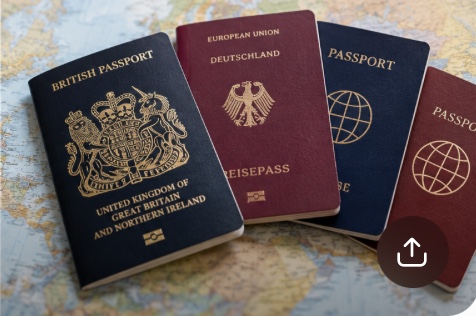
If you’ve worked in more than one country, choosing where to retire can feel like a huge decision. There are endless articles about the best places to retire, the cheapest countries, the best healthcare and the most attractive retirement visas. But there’s a problem with starting there! The best country for someone else may be completely wrong for you or me. Before looking at countries, it makes sense to look at your own situation. I find it helpful to break international retirement planning into six areas:
LEGAL PENSION TAX HEALTH MONEY LIFE
1. LEGAL — Can I live there?
The first question is surprisingly simple: Can I actually live there? If you’re moving to another country, you may need to understand:
- visa requirements
- residence permits
- income requirements
- healthcare or insurance requirements
- renewal rules
- permanent residence
- citizenship
- rights for a spouse or partner
- rights for dependants
Your passport matters here! Two people considering exactly the same country may have completely different options because they have different citizenships. I have experienced this as me and my wife are on different passports. So before worrying about tax or cost of living, first establish whether you can actually live there legally.
2. PENSION — What have I earned?
If you’ve worked in several countries, don’t assume you have one pension.
Make a list of every country where you worked and ask:
- Did I pay social-security contributions?
- Could I have earned a state pension?
- Do I have an employer pension?
- Do I have a private pension?
- When can I claim it?
- Can it be paid overseas?
- Does it increase over time?
- What happens to it if I move again?
These are some of the most important questions you need to ask yourself. You may discover that you have pension rights you had forgotten about. You may also discover that different pensions start at different ages. That matters because retirement income isn’t necessarily going to arrive on one particular day.
3. TAX — How much will I actually keep?
A pension amount on paper isn’t necessarily the amount you’ll have available to spend. You need to understand:
- where you will be tax resident
- how your pensions are taxed
- how investments are taxed
- what happens to property income
- whether tax treaties apply
- whether you have reporting obligations in more than one country
This is one area where a country that looks attractive at first glance may need much more investigation. The useful question isn’t: Is this a low-tax country? It’s: How will my particular income and assets be treated if I live there?
4. HEALTH — What happens if I get ill?
Healthcare should be considered over the whole of retirement.
Ask:
- Can I access public healthcare?
- Do I need private insurance?
- What will that insurance cost as I get older?
- What happens if I develop a serious illness?
- What happens if I need care at home?
- What happens if I need residential care?
- What happens to my partner if I die?
A retirement plan that works beautifully while you’re fit and healthy needs to remain workable if circumstances change.
5. MONEY — Can I afford the life I want?
This is more than comparing the cost of groceries. Look at the bigger picture and think about your complete retirement budget:
- housing
- utilities
- food
- transport
- healthcare
- insurance
- travel
- family visits
- hobbies
- taxes
- unexpected expenses
Then consider your income. If your income comes from several countries, you may also have currency risk. The question is:
Can my expected income comfortably support the life I want, not just the minimum life I could survive on?
6. LIFE — Where do I actually want to live?
This is the part that sometimes gets forgotten. You aren’t choosing a tax residence. You’re choosing somewhere to live, very different approach!
Think about:
- family
- friends
- climate
- language
- culture
- transport
- access to airports
- community
- countryside or city
- hobbies
- travel
- the kind of everyday life you enjoy
And separate your requirements into two lists:
A) Essential
Things you really need.
B) Preferred
Things you’d like, but could compromise on.
That simple distinction can make a surprisingly big difference.

SUMMARY
The six questions work together. The six areas aren’t separate boxes. They interact.
- A country might offer an attractive lifestyle but be difficult for you to live in legally.
- It might be affordable but create complicated tax issues.
- It might have excellent healthcare but require insurance that becomes increasingly expensive with age.
- It might be financially attractive but put you thousands of miles from your family.
That’s why international retirement planning isn’t really about finding the perfect country. It’s about finding a workable combination of:
LEGAL
PENSION
TAX
HEALTH
MONEY
LIFE
Start with yourself, not a country. Before opening a list of “top retirement destinations”, make your own international retirement profile.
Write down:
- your citizenships
- where you’ve lived
- where you’ve worked
- your pensions
- your other assets
- your current tax residence
- your family locations
- your healthcare arrangements
- your expected retirement income
- your essential requirements
- the things you’d simply like to have
Once you’ve done that, comparing countries becomes much more meaningful.
Now instead of asking: “Which country is best?” you can ask yourself: “Which countries could work for me, and what do I need to check before deciding?” That is a much more useful question. And it’s the approach I’m going to use throughout this series.
